
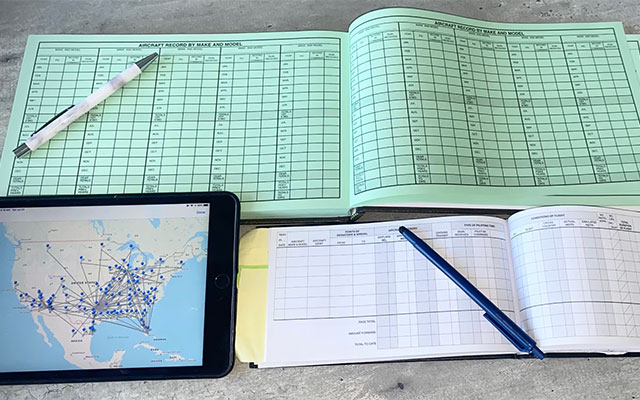
Aircraft maintenance tracking has evolved significantly over the past two decades. While paper logbooks and spreadsheet-based systems are still widely used throughout general aviation, flight training, scenic operations, helicopter operators, and maintenance organisations, more operators are recognising the long-term operational benefits of moving to a dedicated electronic aircraft maintenance tracking system.
Although implementing a digital maintenance tracking system requires an initial investment of time and planning, the long-term reduction in administrative workload, improved data integrity, reduced human error, and improved compliance visibility can dramatically outweigh the short-term setup effort.
The Hidden Cost of Paper Logbooks
Paper maintenance records have historically formed the backbone of aircraft maintenance tracking. While paper systems are familiar and straightforward, they introduce several operational limitations that become increasingly difficult to manage as aircraft utilisation, maintenance complexity, and regulatory requirements increase.
Paper records are difficult to search, difficult to verify quickly, vulnerable to physical damage, and highly dependent on handwriting quality and human accuracy. Retrieving historic maintenance information often requires manually reviewing large quantities of documentation to verify conformity, maintenance status, or historical installation data.
For operators managing multiple aircraft, components, pilots, engineers, or maintenance providers, paper systems frequently result in duplicated effort, inconsistent record keeping, and increased administrative overhead.

Why Spreadsheet Tracking Systems Eventually Become Difficult to Manage
Spreadsheet tracking systems are often adopted as an improvement over paper records because they provide basic automation, calculations, filtering, and reporting capabilities. However, spreadsheets were never designed specifically for aviation maintenance management or regulatory compliance tracking.
As maintenance programs grow more complex, spreadsheet systems frequently become difficult to maintain and highly dependent on the individual who originally built them. Formula corruption, accidental overwrites, broken references, inconsistent formatting, and duplicated data can all introduce hidden risks into maintenance tracking workflows.
In many cases, operators rely on a single person who understands how the spreadsheet works. If that person leaves the organisation, maintaining confidence in the integrity of the system becomes increasingly difficult.
Unlike dedicated aircraft maintenance software, spreadsheets also lack structured approval workflows, controlled audit history, linked maintenance records, and proper component installation history tracking.
Initial Setup Time Creates Long-Term Operational Benefits
One of the most common reasons operators delay implementing an electronic maintenance tracking system is the perceived time required to set up aircraft records, maintenance schedules, components, and historical maintenance data.
However, the time invested during implementation typically produces significant long-term operational efficiencies.
Once maintenance data is properly structured inside a digital system, operators can dramatically reduce the time spent:
- Searching for historic maintenance records
- Calculating next due maintenance
- Tracking component utilisation
- Forecasting upcoming maintenance requirements
- Verifying maintenance conformity
- Reviewing installation history
- Preparing aircraft for audits or inspections
- Cross-checking maintenance release approvals
Over time, this reduction in repetitive administrative work can save hundreds of hours annually for operators and maintenance providers.
Improved Data Accuracy and Reduced Human Error
Dedicated electronic aircraft maintenance tracking systems reduce many of the manual processes that commonly introduce maintenance tracking errors.
Digital systems can automatically calculate next due maintenance intervals, track aircraft and component utilisation, maintain linked maintenance history, and validate maintenance data consistency.
Instead of relying on handwritten calculations or manually updated spreadsheet cells, maintenance tracking becomes standardised, repeatable, and easier to verify.
This improved data integrity helps reduce the likelihood of:
- Incorrect maintenance interval calculations
- Missed maintenance requirements
- Duplicate maintenance entries
- Incorrect component tracking
- Incomplete maintenance history
- Unverified maintenance approvals
Easier Component Tracking and Off-Wing Retention
One of the largest operational advantages of dedicated aircraft maintenance software is the ability to properly track aircraft components throughout their lifecycle — both on-wing and off-wing.
Paper systems and spreadsheets often struggle to maintain complete visibility of component installation history, maintenance status, overhaul intervals, and storage history.
Dedicated electronic systems allow operators to:
- Track installation and removal history
- Maintain full component traceability
- View complete component utilisation records
- Retain off-wing component maintenance history
- Forecast overhaul and inspection requirements
- Verify component conformity more efficiently
This becomes increasingly valuable for operators managing rotable components, engines, propellers, avionics, and large maintenance inventories.
Faster Access to Last Done and Next Due Information
Retrieving Last Done and Next Due maintenance information is one of the most time-consuming tasks when relying on paper records or spreadsheet systems.
Electronic maintenance tracking systems provide instant visibility into:
- Current maintenance status
- Upcoming inspections
- Airworthiness limitations
- Component expiry status
- Deferred defects
- Scheduled maintenance requirements
Instead of manually reviewing maintenance histories and performing calculations, operators can immediately access accurate maintenance status information from a single location.
Maintenance Forecasting Becomes Significantly Easier
Forecasting future maintenance requirements is critical for aircraft availability, budgeting, labour planning, and minimising downtime.
Electronic systems can automatically forecast upcoming inspections, component replacements, and recurring maintenance tasks based on utilisation projections and maintenance schedules.
This allows operators to proactively plan maintenance events instead of reacting to approaching deadlines manually.
Improved forecasting also helps maintenance providers manage workload allocation, inventory requirements, and scheduling efficiency more effectively.
Improved Verification and Maintenance Approval Traceability
Maintenance conformity and approval verification are critical parts of aviation compliance management.
Dedicated electronic systems make it significantly easier to confirm:
- Who performed maintenance
- Who approved maintenance release
- Which tasks were completed
- Which documents support the work performed
- When maintenance actions occurred
Having properly linked maintenance tasks, approvals, and release-to-service records improves overall auditability and confidence in maintenance data integrity.
Reducing Time Spent Searching for Historic Records
One of the most immediate operational benefits of electronic maintenance tracking systems is the ability to quickly locate information.
Instead of manually reviewing folders, binders, scanned PDFs, or large spreadsheets, digital systems provide searchable maintenance history, component records, defects, work orders, and maintenance releases.
This dramatically reduces the time spent:
- Preparing aircraft for audits
- Responding to maintenance questions
- Investigating historic defects
- Reviewing component history
- Verifying maintenance conformity
- Preparing aircraft for sale or lease transitions
Long-Term Efficiency Through Better Structure
The true value of an electronic aircraft maintenance tracking system is not simply digitising paperwork. The real benefit comes from creating structured, connected, searchable maintenance data that becomes easier to manage over time.
While implementation requires planning and effort initially, properly structured digital maintenance records can significantly reduce ongoing administrative workload, improve operational visibility, reduce compliance risk, and improve confidence in maintenance data accuracy.
For many operators, the question is no longer whether to move to electronic maintenance tracking — but how soon the long-term operational benefits can begin.